Have you noticed your grocery bill steadily climbing higher? You’re not alone. Inflation, a persistent rise in the general price level of goods and services in an economy, is significantly impacting global food prices, affecting everything from the cost of bread to the availability of fresh produce. Understanding this intricate relationship is crucial for consumers, policymakers, and businesses alike. The gb (global business) sector is keenly aware of these shifting dynamics.
Key Takeaways:
- Inflation increases the cost of food production, leading to higher prices for consumers.
- Supply chain disruptions exacerbated by inflation further contribute to rising food costs.
- Developing countries and low-income households are disproportionately affected by food price inflation.
- Government policies and individual choices can help mitigate the impact of inflation effects on food affordability.
How Inflation Effects the Cost of Agricultural Inputs
One of the primary ways inflation affects food prices is through its impact on the cost of agricultural inputs. Farmers rely on various resources to produce food, including fertilizers, pesticides, fuel, and machinery. When inflation rises, the prices of these essential inputs increase, directly impacting the overall cost of farming.
Fertilizers, crucial for crop yields, are heavily influenced by energy prices. Natural gas, a key component in fertilizer production, becomes more expensive during periods of inflation, driving up fertilizer costs. Similarly, fuel prices, vital for operating farm machinery and transporting goods, are also susceptible to inflationary pressures. These increased costs are inevitably passed on to consumers in the form of higher food prices. The inflation effects are particularly pronounced in regions that rely heavily on imported fertilizers or fuel. Small-scale farmers often struggle the most, potentially leading to reduced production and further price increases. This creates a ripple effect throughout the entire food chain, impacting the availability and affordability of essential food items.
How Inflation Effects Supply Chain and Transportation
Beyond agricultural inputs, inflation significantly impacts the global food supply chain and transportation networks. The journey of food from farm to table involves various stages, including processing, packaging, transportation, and distribution. Each of these stages is vulnerable to inflationary pressures.
Increased fuel costs directly translate to higher transportation expenses, making it more expensive to move food products across countries and regions. Packaging materials, often made from petroleum-based products, also become pricier during inflationary periods. Labor costs, another essential component of the supply chain, tend to rise as workers demand higher wages to cope with the increased cost of living.
These cumulative inflation effects along the supply chain contribute to rising food prices for consumers. Disruptions to the supply chain, such as those caused by geopolitical events or natural disasters, can further exacerbate inflationary pressures, leading to even higher food costs and potential shortages. The gb sector constantly monitors these disruptions to minimize their impact on consumers.
How Inflation Effects Consumer Spending and Food Security
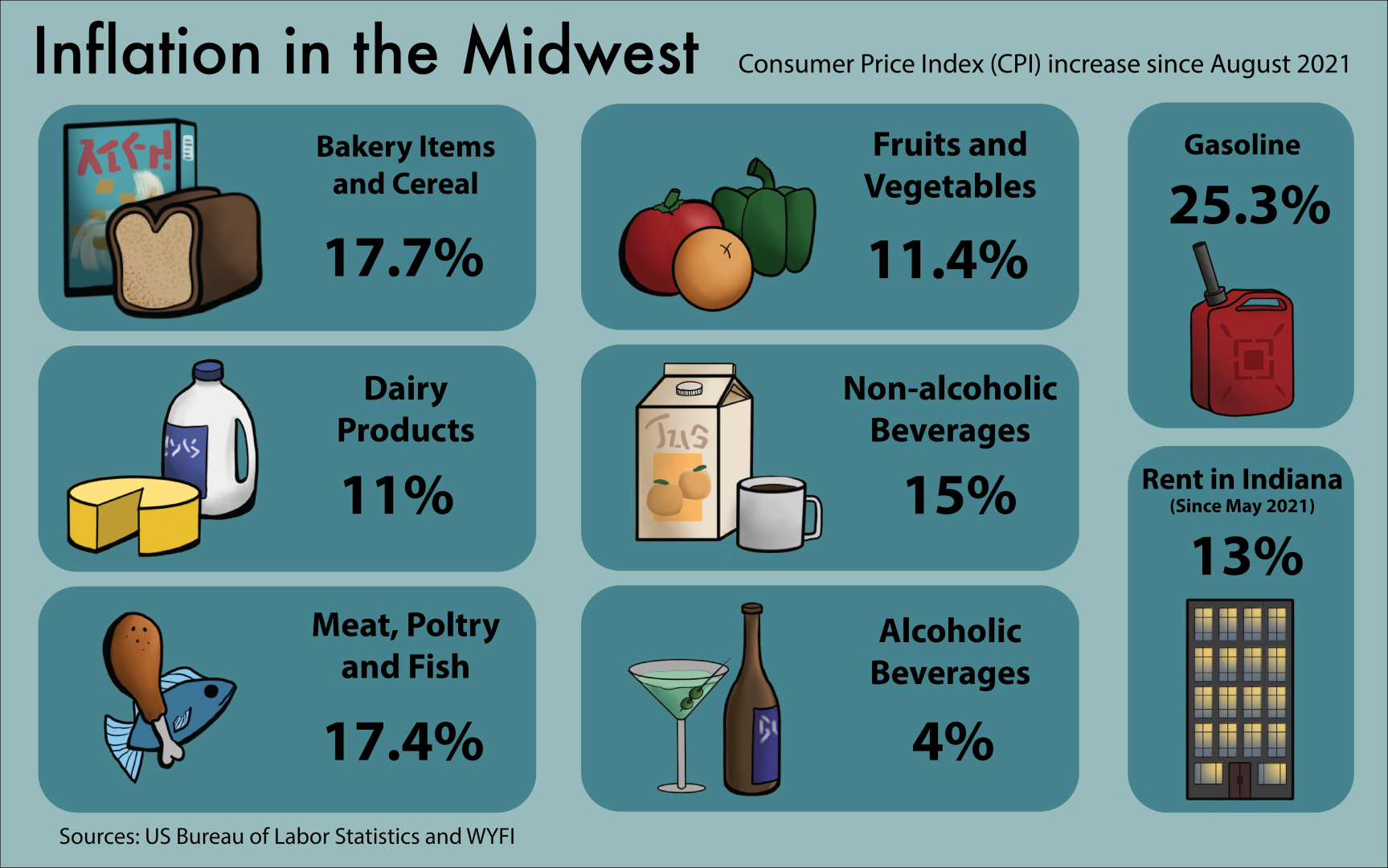
Rising food prices have a direct and significant impact on consumer spending and food security, particularly for low-income households. When the cost of essential food items increases, consumers are forced to allocate a larger portion of their income to groceries, leaving less money available for other necessities such as housing, healthcare, and education.
This can lead to difficult choices and trade-offs, as families may have to reduce their consumption of nutritious foods or rely on cheaper, less healthy alternatives. Food insecurity, the state of being without reliable access to a sufficient quantity of affordable, nutritious food, becomes a greater concern during periods of high inflation. Developing countries and vulnerable populations are disproportionately affected, as they often lack the resources and social safety nets to cope with rising food costs.
The inflation effects can create a vicious cycle, where rising food prices lead to reduced consumer spending, which in turn can negatively impact economic growth and further exacerbate food insecurity. Addressing this challenge requires a multi-faceted approach, including government policies to support low-income households, promote sustainable agriculture, and strengthen food supply chains.
How Inflation Effects Government Policies and Mitigation Strategies
Governments and international organizations play a crucial role in mitigating the impact of inflation on food prices and ensuring food security. Various policy measures can be implemented to address the underlying causes of food price inflation and provide relief to vulnerable populations.
Subsidies for agricultural inputs, such as fertilizers and fuel, can help reduce production costs for farmers and prevent price increases at the farm level. Investing in research and development to improve agricultural productivity and promote sustainable farming practices can also help increase food supply and lower costs in the long run.
Social safety nets, such as food assistance programs and cash transfers, can provide direct support to low-income households and help them afford essential food items. International cooperation and coordination are also essential to address global food price volatility and ensure that food supplies are available to all countries, regardless of their economic status. The inflation effects require constant vigilance and proactive measures to protect vulnerable populations and maintain food security worldwide.